

Background
The Book of Jeremiah is named after its primary author, the prophet Jeremiah, who ministered during one of the most tumultuous periods in Israel’s history. Jeremiah’s prophetic career spanned the reigns of five kings of Judah, from Josiah to Zedekiah, covering roughly 40 years (627–586 BC). His primary mission was to call the people of Judah to repentance and warn them about the impending Babylonian exile as a consequence of their idolatry and unfaithfulness to God. Jeremiah has often been referred to as the “weeping prophet” due to the deep emotional engagement and sorrow he expresses over the fate of his people. Despite his dire warnings, Jeremiah also conveyed a message of hope, promising that God would eventually restore a faithful remnant and establish a new covenant.
Key Themes
Several key themes dominate the Book of Jeremiah. For example:
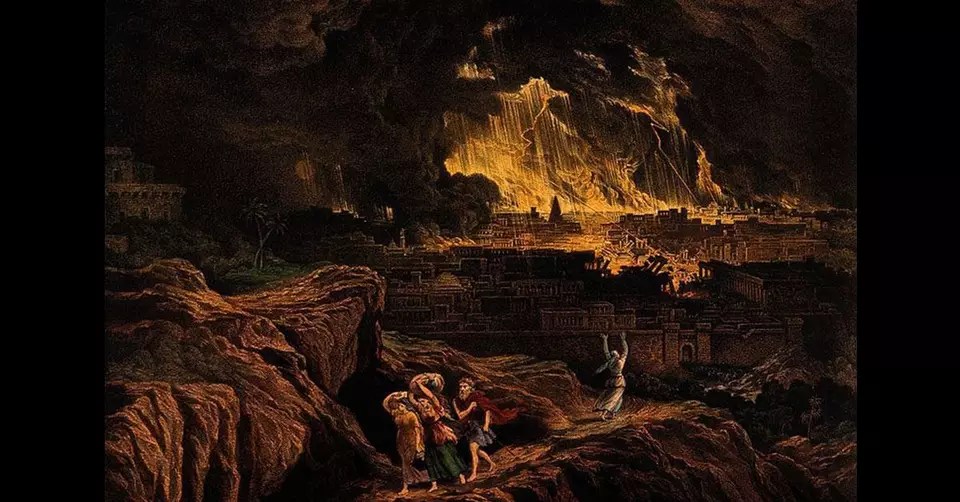
Theme of judgement: Jeremiah prophesied the destruction of Jerusalem and the Temple as a result of Judah’s sin, particularly their idolatry and unfaithfulness to God. He also denounced the corruption of Israel’s leaders—kings, priests, and false prophets – who led the people astray.
Restoration and hope: while much of the book focuses on judgement, Jeremiah also promises that God’s discipline will be followed by restoration. God’s judgement is a means to cleanse the people and prepare them for a future redemption. This will come in the form of a new covenant, not written on stone tablets but on human hearts.
Covenant faithfulness: Jeremiah constantly calls Judah to return to the original covenant established with Moses. Their failure to uphold this covenant leads to exile, but the promise of a new and everlasting covenant becomes a powerful beacon of hope for the future.
The Message for Today
The Book of Jeremiah speaks to modern readers about the consequences of turning away from God and the inevitability of divine discipline in the face of persistent rebellion. However, the message also reassures us that no matter how far we stray, God’s mercy and restoration are always available to those who repent. It offers a timeless reminder of God’s justice but also his abundant grace.
In a world where political corruption, social injustice, and spiritual apathy are prevalent, the message of Jeremiah challenges believers to remain faithful to God, even in times of adversity. It emphasises that true repentance and a sincere return to God are always possible. Through that turning back, a new beginning is offered.
The Different Kingdom Lens
The Kingdom of God, as revealed in Jeremiah, stands in stark contrast to the kingdoms of this world. The worldly pursuit of power, wealth, and self-interest leads to destruction, as symbolised by the fall of Jerusalem. God’s Kingdom, on the other hand, calls for submission to his will, which often involves suffering and, humility, and requires faithfulness amid trial. This is a foreshadowing of the cross-centred life.
Moreover, the new covenant that Jeremiah foretells tells us something about the transformative and inward nature of God’s Kingdom. Rather than external laws, the Kingdom is governed by hearts transformed by the Spirit of God, in line with the New Testament’s vision of the reign of Christ. This forward-looking perspective calls believers to live in anticipation of the full realisation of God’s Kingdom, where justice, peace, and restoration will reign eternally.




Leave a comment