
Background
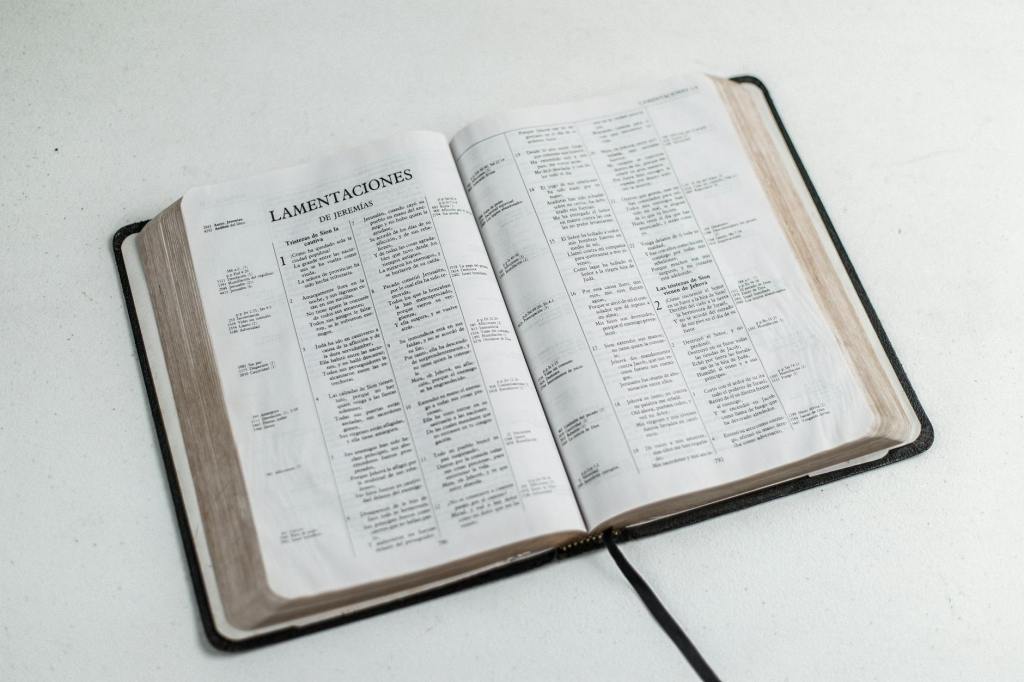
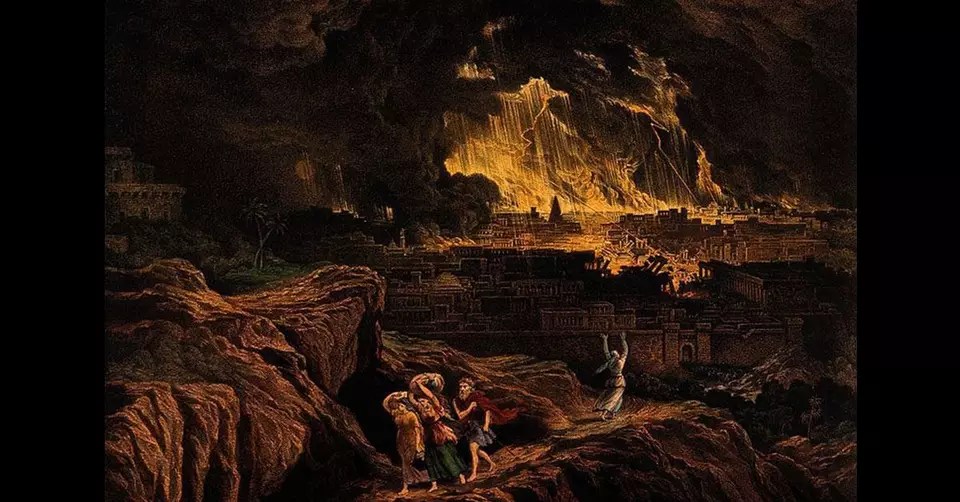
The Book of Lamentations is a collection of five poetic laments traditionally attributed to the prophet Jeremiah, although the text itself does not explicitly name its author. It was written in response to the catastrophic destruction of Jerusalem and the Temple in 586 BC by the Babylonians. This event, marking the exile of the people of Judah, was a moment of profound grief and national crisis. The purpose of Lamentations is to express the deep sorrow, pain, and confusion of the people as they wrestled with their understanding of God’s judgement, their own sin, and the hope of restoration. It serves as a poetic expression of mourning, lamenting the desolation of Jerusalem, the suffering of its people, and the loss of the Temple as a spiritual centre.
Key Themes
Lamentations explores several key themes, primarily revolving around grief, judgement, and hope:
Grief and Sorrow: the dominant theme is the raw emotional expression of sorrow for the destruction of Jerusalem. The poems articulate the immense pain, devastation, and loss experienced by the people, capturing the depth of human suffering in the face of catastrophe.
Divine Judgement: Lamentations does not shy away from acknowledging the role of divine judgement in the suffering of Jerusalem. The destruction is seen as the result of the people’s unfaithfulness and their breach of covenant with God. This theme is woven with a sense of collective guilt and personal responsibility.
Hope and Faithfulness: along with the sorrow, there are moments that affirm God’s enduring faithfulness. Despite the overwhelming despair, Lamentations contains powerful declarations of hope. This is particularly the case in chapter 3, where the author expresses confidence in God’s mercies, which are “new every morning.” This tension between despair and hope is a key aspect of the book.
Communal and Personal Lament: the book captures both the collective lament of a nation and the personal lament of individuals who have been directly affected by the horrors of war and exile.
The Message for Today
Lamentations remains deeply relevant in a world where suffering, loss, and injustice are common. It provides a model for how to bring our grief and pain before God without losing faith. The book teaches that lamenting in the face of tragedy is not a sign of weak faith, but an essential part of maintaining a relationship with God in the middle of hardship. It also reminds readers of the importance of reflection, repentance, and recognition of the consequences of our collective and individual actions.
For those facing personal suffering, Lamentations offers a voice of solidarity. It shows that even in the darkest times, it is possible to wrestle with God honestly, expressing sorrow while still holding onto the hope of his ultimate redemption. The declaration that “The steadfast love of the Lord never ceases” (Lamentations 3:22) offers comfort and assurance that God’s mercy prevails even amid judgement and suffering.
The Different Kingdom Lens
In the world, suffering is often seen as something to avoid or deny, yet the kingdom of God allows space for grief, lament, and the honest expression of pain. Lamentations shows that the way of God’s different kingdom is the way of the cross, where suffering is redemptive.
The book also illustrates the counter-cultural nature of God’s justice and mercy. In contrast to human tendencies toward vengeance or indifference, God’s justice is righteous and restorative. His judgement in Lamentations is not the end, but a necessary part of the process of redemption. The promise of hope in the middle of lament points forward to God’s kingdom, where suffering is temporary and God’s mercy is everlasting. This is the same paradoxical hope that Jesus would embody on the cross—where ultimate suffering would bring ultimate salvation. In this light, Lamentations calls believers to embrace a cross-centred way of life, acknowledging the realities of pain and judgement but always looking to the promises of God’s restoration and the eternal hope that is found in Christ.



Leave a comment