
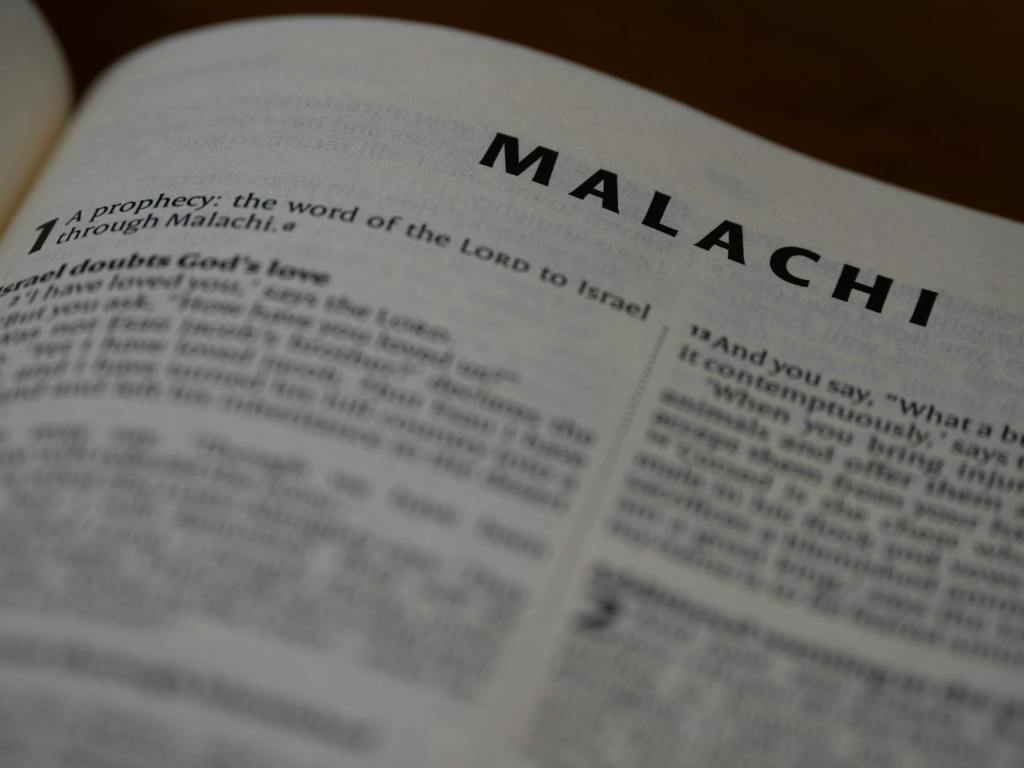
Background
The book of Malachi, the last book of the Old Testament, was written around 430 BC during the Persian period, likely after the Temple had been rebuilt and the ministries of Haggai and Zechariah had concluded. The Jewish community in Jerusalem had grown spiritually complacent and cynical. The fervour of earlier generations had faded, and both the priesthood and the people had turned to ritualism, neglecting heartfelt worship and obedience. Malachi’s name, which means “My Messenger,” reflects his role as God’s spokesperson, delivering both rebuke and hope to a disheartened and wayward people.
Key Themes
Covenant Faithfulness: Malachi underscores the importance of honouring the covenant relationship with God, criticizing the priests and people for their unfaithfulness.
True Worship: The prophet condemns superficial worship, including blemished sacrifices and irreverence, calling for sincere devotion.
Social Justice and Morality: Malachi addresses issues such as divorce, oppression, and unfaithfulness, highlighting the moral responsibilities of God’s people.
God’s Justice and Sovereignty: The book affirms that God is just and sovereign, promising that he will judge the wicked and purify his people.
Messianic Hope: Malachi prophesies the coming of God’s messenger (John the Baptist) who will prepare the way for the Lord, and he anticipates the arrival of the “Sun of Righteousness” (Malachi 4:2), fulfilled in Jesus Christ.
The Message for Today
Malachi’s message resonates with believers today, challenging us to reflect on the authenticity of our worship and the integrity of our lives. It calls for reverence, generosity, and faithfulness in our relationship with God and others. Malachi’s promise of God’s ultimate justice and his faithfulness to his covenant offers hope and assurance. The book also reminds Christians of the importance of preparing for Christ’s return, just as John the Baptist prepared the way for his first coming.
Different Kingdom Lens
Malachi bridges the Old and New Testaments, pointing forward to the fulfilment of God’s redemptive plan in Jesus Christ. The call to covenant faithfulness reflects the values of the Kingdom, where God’s people live in righteousness and devotion. The prophecy of the coming messenger and the “Sun of Righteousness” foreshadows Christ’s role as the ultimate King and Priest who brings salvation and healing. Malachi’s emphasis on God’s justice and refining work reminds us of the already-and-not-yet nature of the Kingdom, where God’s reign is established but awaits ultimate consummation in Christ’s return.





Leave a comment