

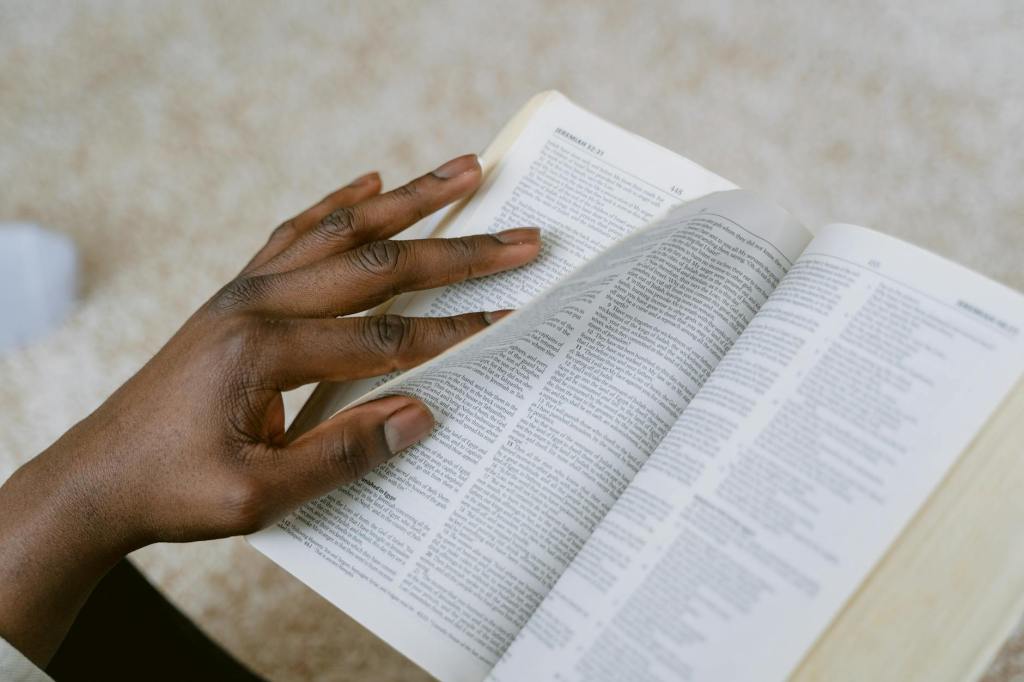
Reading the whole Bible is a significant challenge, and at times it can feel intimidating. Bible Tour is designed to help you make this journey with confidence and freedom, rather than pressure. Here are some practical suggestions to help you read well and stay encouraged along the way:
- Begin each week by reading the Weekly Introduction to the daily readings. These short guides help you know what to expect in the coming readings and what to look out for. Having a sense of the bigger picture makes it easier to keep going and helps you see how individual passages fit within the wider story. Here’s January Readings as an example.
- You may also find the Book Backgrounds helpful for the same reason. They provide context and orientation, but there is no pressure to read them all. Use them when you feel they add clarity and confidence to your reading. Here’s the Background to Genesis as an example.
- If you are following the whole Bible plan (and it is perfectly fine to follow just the New Testament if this is your first time on the Tour), consider reading the Old Testament and New Testament passages at different times of day, perhaps the Old Testament in the morning and the New Testament in the evening. Many people find this helps maintain focus and balance.
- Remember that this year is about overview, not detail. You do not need to reflect deeply on every verse. It is often best to read lightly and steadily, while pausing to think and pray when something catches your attention. Those moments can be returned to later for deeper meditation.
- As you read, certain themes, images, or characters may stand out to you. Follow these prompts by clicking the relevant links, but only when they genuinely draw your interest. There are far too many to explore them all. The short reflections on themes and images can be read in under a minute, while the Character Studies offer a little more depth. Here’s the Character Study on Noah as an example.
- The main aim of Bible Tour is reading — surveying the landscape — rather than studying every detail or lingering over a single passage. Keeping this distinction in mind will help you avoid unnecessary guilt. Skimming is sometimes the right way to read. See this article for the difference between reading and meditating, between reading quickly and slowly.
- Not all parts of the Bible are meant to be read in the same way. It is entirely appropriate to move quickly through genealogies or lists of laws, and to slow down over rich, familiar passages such as Psalm 23 or Ephesians 1. It is not a failure, or a sin, to read some sections quickly.
- Try, as far as possible, not to fall behind. A growing backlog of readings can quickly become discouraging. If needed, it is better to skim a day’s passages than to let them pile up. Consistency matters more than perfection.
- There will be moments when the journey feels heavy, perhaps in parts of Leviticus or 1 Chronicles, but these stretches are more than balanced by moments of beauty, familiarity, and surprise. When you come across these rich or hidden places in the biblical landscape, take your time and enjoy them.
- Consider doing what some friends/members of my church are doing, and form a WhatsApp group of friends who are doing the Bible Tour, so that you can encourage one another, and enjoy surveying the landscape of Scripture together.
Above all, do what you find most helpful. The goal is not to read in the “right” way, but to complete the journey and grow in understanding. By the end of the year, the sense of achievement, and the deepening of your engagement with Scripture, will make the journey worthwhile.




Leave a comment