

Background
Genesis is the book of beginnings. While God himself has no beginning, Genesis opens the story of everything else: the origin of the universe, of human life, of sin and its far-reaching consequences. And of God’s long, patient work of salvation.
The opening chapters present God’s original intention for creation. The world is meant to be like the Garden of Eden: a place filled with God’s presence, marked by life, fruitfulness, and peace. Humanity, male and female, is created in God’s image, called to reflect his character, to fill the earth with image-bearers, and to rule over it as his representatives, in partnership with him.
This vision is shattered by human disobedience. Adam and Eve’s rebellion against God’s word and authority disqualifies them from their vocation as representative rulers. They are driven from the garden and barred from the tree of life. Yet even here the story does not end in despair. The rest of the Bible flows out of Genesis as the account of God’s determination to restore his original purpose—to dwell with a renewed humanity in a renewed creation. By the time we reach Revelation, we find ourselves once more in a garden-city, filled with the presence of God.
Key Themes
The Fall and its Consequences
The disobedience of Adam and Eve affects everything. Relationships with God, with one another, with the self, and with the natural world are all fractured. As Genesis unfolds, the ripple effects of the Fall intensify: jealousy, family breakdown, violence, murder, sexual corruption, oppression, and war. Human sin multiplies, and so does human suffering.
Judgement and Mercy
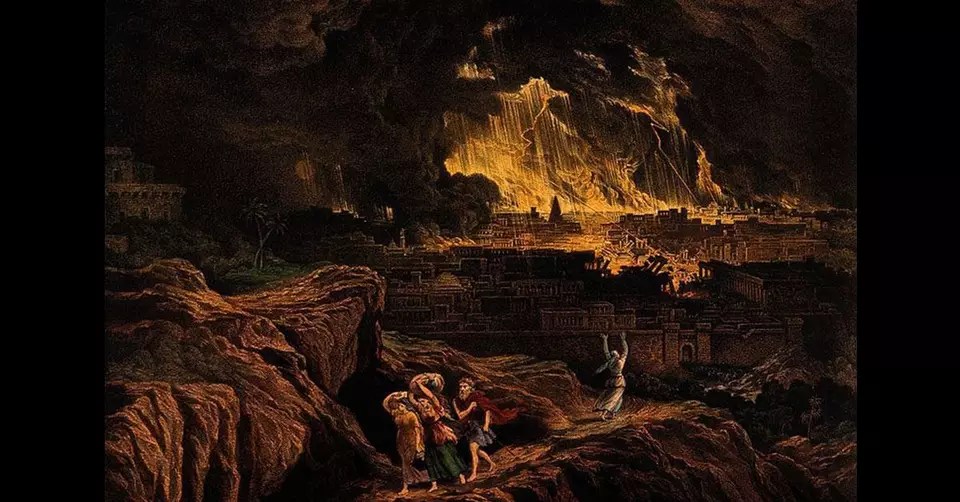
God’s judgement against evil is a major theme, seen most dramatically in the Flood and later in the destruction of Sodom and Gomorrah. Yet judgement is never God’s final word. From the beginning there are hints of mercy and hope: God clothes Adam and Eve with animal skins; sacrifice and the shedding of blood appear as signs that the way back to God will be costly but possible.
Sacrifice, Covenant, and Promise
Altars appear again and again, pointing to sacrifice and worship. These acts are closely connected to covenant – God’s binding commitment to his creation, often marked by the shedding of blood. Notably, God’s covenant with Noah after the Flood is made not only with humanity but with all living creatures, underlining God’s ongoing intention to restore the whole created order.
True and False Paths Back to God
Genesis repeatedly contrasts human attempts to reach God with the way God himself provides. Cain and Abel’s offerings, the arrogance of Babel versus the quiet faith of Enoch, and the contrast between Ishmael and Isaac all point to a crucial truth: true life with God comes not through human striving or natural strength, but through faith in God’s promise. As later Scripture explains (Galatians 3–4), the child of promise is born not merely by human effort but by God’s Spirit.
A People of Faith
The call of Abraham is central to Genesis. God promises him land, descendants, and, most importantly, that through him all the nations of the earth will be blessed. This is not ethnic favouritism, but the creation of a people defined by faith. Abraham’s defining characteristic is trust in God, and the true heirs of his promise are those who share that same faith (Romans 4; Galatians 3).
Pilgrimage and Inheritance
The patriarchs, Abraham, Isaac, and Jacob, live as pilgrims. They do not fully possess what has been promised, but they walk by faith, looking ahead to God’s restored world and the city he will build (Hebrews 11:8–10). Genesis also introduces the theme of inheritance: promises passed down through generations, calling each new generation to continue walking in the way of the God of their fathers.
Suffering and God’s Sovereign Purpose
In the story of Joseph, Genesis reaches a powerful climax. Betrayed, enslaved, and imprisoned, Joseph’s life seems to unravel, yet God is quietly at work. What others intend for harm, God turns to good. Joseph’s descent and exaltation anticipate the pattern later fulfilled in Christ: the way down before the way up, suffering before glory, death before resurrection.
The Message for Today
Genesis tells us who God is, who we are, and what has gone wrong with the world. It exposes the depth of human sin while revealing the greater depth of God’s faithfulness. The book reminds us that faith, not human achievement, is the key to life with God, and that God remains committed to his creation even when it rebels against him.
For modern readers, Genesis calls us to live as pilgrims, trusting God’s promises, resisting false paths to life, and believing that God can work redemptively even through suffering, failure, and apparent defeat.
A Different Kingdom Lens
Genesis reveals a kingdom that does not advance through power, control, or human ambition. The builders of Babel grasp for greatness; God chooses Abraham, a wandering nomad. Cain asserts himself; Abel offers in faith. Joseph is exalted not by force, but through humility, endurance, and suffering.
God’s kingdom grows quietly, through promise rather than coercion, through faith rather than force, and through a people shaped to reflect God’s character. Genesis invites us to see that the way of God’s kingdom is often hidden, upside-down, and costly, but it is the way that leads, in the end, back to the garden, and into the fullness of God’s presence.
Going Deeper:
There is a very helpful overview of Genesis here at BibleProject.
Here is an excellent short talk from Tim Keller on the Gospel in Genesis.



Leave a comment