
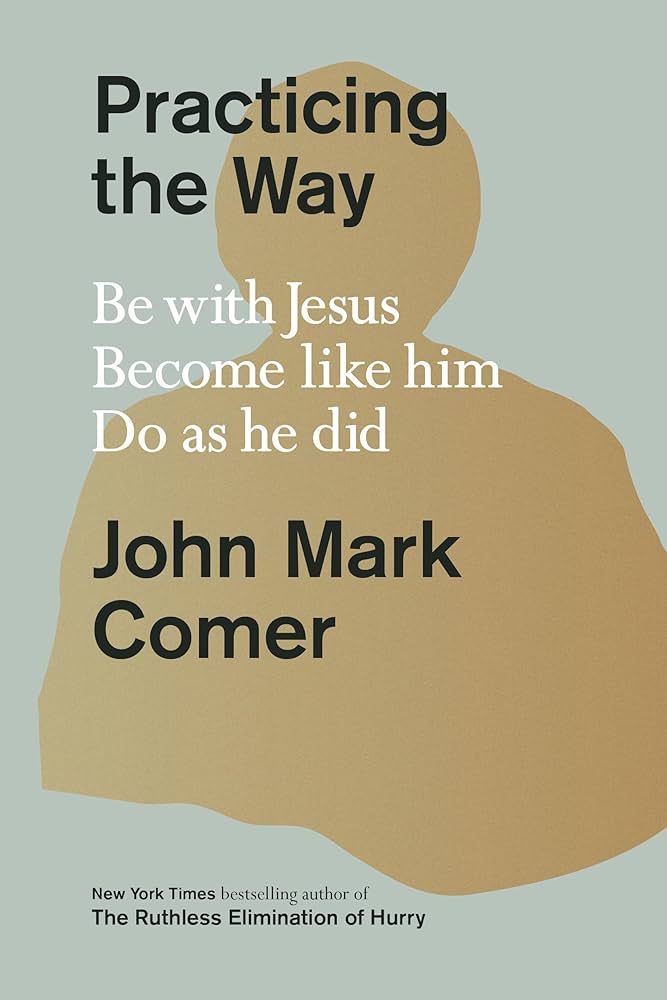
A compelling exploration of what it means to be a disciple of Jesus
I’m a big fan of John Mark Comer’s teaching—just like half of Christendom at the moment, it seems. And for good reason!
In a conversation with my wife about why we both enjoy his writing and speaking, we agreed that it’s the way he marries profound spiritual theology with real, workable practicality when it comes to living as disciples of Jesus. We also felt that, while Comer has clearly read widely and draws from a diverse range of writers and traditions, he wears his learning lightly. He uses what he has learned to illuminate practical truths, rather than simply showcasing his knowledge. In fact, it reflects well his willingness to learn from others, reinforcing my theory that those who are teachable make the best teachers.
His most recent book, Practicing the Way, is one of his most significant, offering a grounded and comprehensive overview of what he has been imparting to the Church on spiritual formation and discipleship over the past few years.
The book is a compelling exploration of discipleship, deeply rooted in the ancient Jewish tradition of the rabbi-disciple relationship. Comer’s fresh presentation of Jesus as a rabbi and his insights into Jewish educational practices offer a profound understanding of what it means to be a disciple in the modern world. Like others before him, Comer argues that discipleship is best understood as apprenticeship—a concept that might be the closest comparison we have in our current culture.
He introduces us to the three dimensions central to discipleship: be with your rabbi, become like your rabbi, and do as your rabbi did. These steps emphasise that a disciple is not merely a student but someone who lives with, emulates, and ultimately embodies the ways of the teacher. Comer underscores the importance of recognising “disciple” as a noun, not a verb—it’s about being, not just doing.
One of the book’s strengths is its emphasis on the gospel as a transformative experience, not merely a set of beliefs. Comer critiques the common Protestant fear of “works righteousness,” arguing that this fear has led to a gospel overly concerned with belief at the expense of lived experience. He highlights Dallas Willard’s crucial point that “grace is against earning, not effort,” meaning that true discipleship requires actively practising Jesus’ teachings, not just passively believing. This challenge is deeply personal, prompting readers to examine whether they are genuinely living the transformed life Jesus offers.
Comer organises his thoughts around those three dimensions of apprenticeship: being with Jesus, becoming like Jesus, and doing what Jesus did. The first—being with Jesus—is explored through the concept of “abiding in Christ.” Comer suggests that everyone “abides” in something, whether it be work, relationships, or distractions. The critical question is, where is our emotional and spiritual home? Where do our hearts and minds naturally return as a mental and emotional default? His reflections on ‘abiding’ are worth the price of the book alone. Comer’s focus on contemplative prayer and the importance of solitude is both inviting and challenging. While he expresses some caution regarding contemplative practices, he emphasises prayer as “familiar friendship” with God, encouraging readers to cultivate a secret, quiet place for solitude and slowing down.
Comer also draws on the wisdom of St. Benedict, particularly the idea that we must be intentional with our lives, avoiding the trap of wasting time on what doesn’t matter. He stresses that discipleship is a slow process, marked by a “quiet undercurrent” of joy—a joy that is often missing in our fast-paced, results-driven culture.
The book’s practicality is one of its standout features. Comer seamlessly blends theology, spirituality, and psychology in a way that is both accessible and deeply spiritual. He avoids the pitfalls of turning discipleship into a self-help formula, instead offering genuine inspiration and instruction. Comer draws heavily from Dallas Willard, a leading thinker in the spiritual formation movement, grounding his work in a rich tradition of thoughtful Christian practice.
Finally, Comer’s treatment of sin is refreshing. He doesn’t reduce sin to mere guilt and justification but instead frames it as a diseased condition that requires healing—a perspective that aligns well with his broader theme of transformation.
In Practicing the Way, John Mark Comer offers a rich, practical guide to discipleship that is both deeply rooted in tradition and intensely relevant for today’s world. Whether you are a new believer, a seasoned saint, or someone who has strayed from the faith, Comer’s insights provide a path toward a life that is not just different but truly transformed. I recommend it wholeheartedly.
Find Practicing the Way at:
LifeWords Summaries – a Key Points Summary to follow at a later date






Leave a comment