
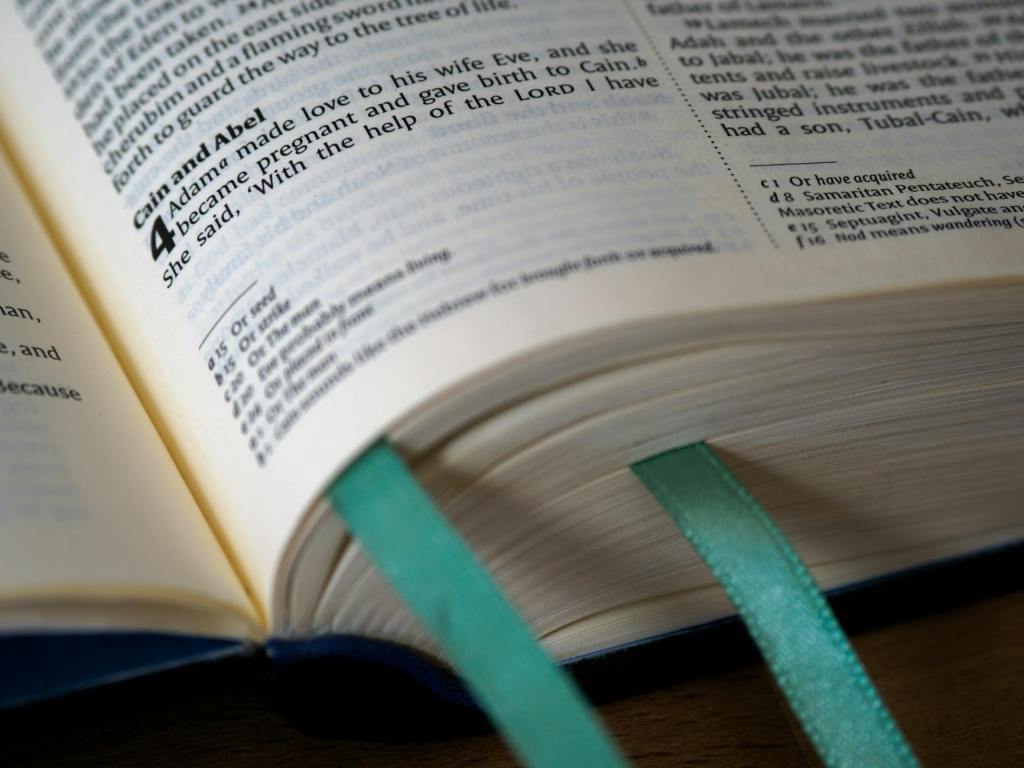
Cain and Abel – The Spread of Sin
(Genesis 4)
The story of Cain and Abel shows what life looks like east of Eden. Sin has entered the world, and its effects are now seen not only in humanity’s relationship with God, but in dysfunctional relationships within the family also. Genesis 4 traces how rebellion against God leads to the fracturing of human relationships, the distortion even of our worship, and the spread of violence and death through the world.
Life as Gift and Fragile Breath
The chapter opens with new life. Eve gives birth to a son and names him Cain, which sounds like the Hebrew for ‘acquired’ (Gen. 4:1). His name reflects gratitude. Life is received through human partnership, but ultimately comes from God.
The second son is named Abel, meaning ‘breath’ or ‘vapour’ (Gen. 4:2). From the beginning, his name hints at the fragility and brevity of human life. Together, Cain and Abel represent something profound about the human condition: life is a wonderful gift but is also continually vulnerable.
Work Is Good
Both brothers are introduced through their work. Cain is a farmer, Abel a shepherd. Genesis treats both vocations positively. Work itself is not the problem. It is part of God’s good design for humanity. The trouble comes not from what they do, but from how they approach God.
Worship and the Heart
Both Cain and Abel bring offerings to the LORD (Gen. 4:3–4). This is the Bible’s first explicit picture of worship, and it is described as offering, bringing something of ourselves and our work before God.
God looks with favour on Abel and his offering, but not on Cain and his. The text suggests that the difference lies not in the type of offering, but in the heart behind it. Abel offers in faith, giving the firstborn and the best (Gen. 4:4; see Heb. 11:4). Cain brings an offering, but it appears to be without the same trust or devotion.
This is a sobering lesson: it is possible to come near to God outwardly, while our hearts remain far from him (Matthew 15:8; Isaiah 29:13).
Anger at the Door
Cain’s response is anger and deep discouragement (Gen. 4:5). God meets him with a warning and an invitation: “If you do what is right, will you not be accepted?” (Gen. 4:7). Whatever else “doing right” means here, it includes taking responsibility for one’s inner life.
God describes sin as a wild animal crouching at the door, ready to pounce—but Cain is called to rule over it. Anger, if left unchecked, grows. It feeds on resentment, comparison, jealousy, and frustrated desires. In Cain’s case, it leads to murder. As Jesus later teaches, this is where murder always begins—in the heart (Matt. 5:21–22).
Am I My Brother’s Keeper?
After Abel’s death, Cain denies responsibility: “Am I my brother’s keeper?” (Gen. 4:9). The implied biblical answer is yes. From this point on, Scripture repeatedly challenges God’s people to care for one another, especially the vulnerable. God’s purposes call us to have compassion and concern for others.
Judgement, Mercy, and Life East of Eden
Cain is judged, but not destroyed. His punishment involves frustrated work and restless wandering (Gen. 4:12). He is not a pilgrim like Abraham, journeying with God, but a wanderer—rootless and unsettled. As Bible teacher, Warren Wiersbe, puts it, ‘a wanderer has no home, but a pilgrim is on his way home.’
Yet even here, grace appears to this murderer and wanderer. God places a mark on Cain to protect him from revenge (Gen. 4:15). Despite his sin, Cain is not abandoned. This is one of the Bible’s earliest signs of God’s mercy toward sinners.
Cain moves further east of Eden, a direction that often signals exile and distance from God. He builds a city (Gen. 4:17), introducing civilisation with all its mixed potential. Cities in the Bible can reflect human creativity and cooperation, but more often they represent pride, violence, and self-reliance. Cain’s city, like the civilisation that follows, will eventually be swept away in the flood. What looks impressive does not always last.
The Spread of Violence and a Glimmer of Hope
As Genesis 4 continues, violence multiplies. Lamech boasts of revenge and escalating bloodshed (Gen. 4:23–24). Sin is no longer hidden; it is celebrated.
And yet, the chapter ends with hope: “At that time people began to call on the name of the LORD” (Gen. 4:26). Even as sin spreads, worship continues. God is quietly preserving a line of faithfulness through which his purposes will continue.
Lessons for Life:
1. Worship is about the heart, not just the act.
We can bring offerings to God while still holding back trust and obedience.
2. Comparison feeds anger.
Cain’s anger grows from envy. Measuring ourselves against others is spiritually dangerous.
3. Anger must be ruled, not ignored.
Unchecked anger is destructive. God calls us to recognise it early and respond wisely.
4. We are responsible for one another.
Cain’s question still challenges us: we are our brother’s and sister’s keepers.
5. God’s grace reaches further than we expect.
Even after grave sin, God shows restraint, mercy, and protection.
6. Life east of Eden is broken—but not godless.
Even in a broken world, people can still call on the name of the LORD.




Leave a Reply