
Elisha – The Prophet of Compassion and Power
Elisha carries on Elijah’s prophetic ministry, but with a different tone. Where Elijah often appears like a fire in the wilderness, Elisha moves among ordinary people (widows, farmers, soldiers, and the sick, for example) bringing both the power and compassion of God into everyday life.
His story is filled with miracles, yet many of them are surprisingly personal and practical. Oil is multiplied, children are restored, poison is removed from food, and outsiders are healed. Elisha reminds us that God’s power is not only displayed in dramatic confrontations, but also in quiet acts of provision, compassion, and restoration.
Called to Follow
Elisha’s calling begins when Elijah throws his cloak over him (1 Kings 19:19).
In response, Elisha leaves behind his oxen and former life.
There is a decisiveness in his response, a willingness to let go of what is familiar in order to follow God’s call.
His ministry begins not with impressive prominence, but with faithful surrender.
Receiving the Mantle
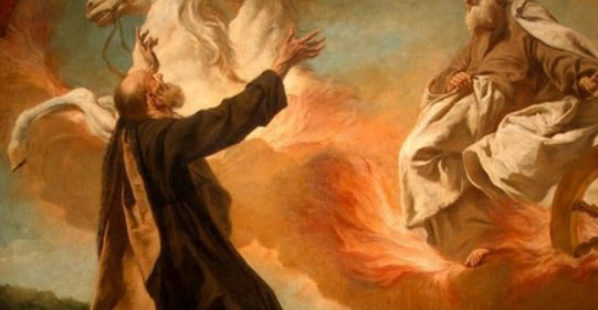
When Elijah is taken into heaven, Elisha asks for a double portion of his spirit (2 Kings 2:9).
This is not ambition for status, but a desire to continue the work of God faithfully. It is a sign that he wants to be the one who inherits and so continues the prophetic ministry and anointing.
As Elijah’s cloak falls to him, Elisha steps into a ministry marked by both authority and dependence.
The prophet’s power is never presented as his own. It is always received.
Miracles of Restoration
Much of Elisha’s ministry centres on restoration and provision.
He multiplies oil for a widow overcome with debt (2 Kings 4:1–7), raises the Shunammite woman’s son to life (2 Kings 4:32–37), and heals Naaman the leper (2 Kings 5).
These miracles reveal a God attentive not only to nations and kings, but also to ordinary human need.
Through Elisha, divine power touches daily life.
Grace for Outsiders
Naaman’s healing is especially significant.
A foreign military commander, and an enemy of Israel, is healed not through dramatic ritual but through humble obedience (2 Kings 5).
The story widens the vision of God’s mercy.
God’s compassion reaches beyond borders, status, and expectation.
A Ministry of Steady Presence
Unlike Elijah’s dramatic confrontations and personal crisis, Elisha’s ministry often feels quieter and more sustained.
He advises kings, supports communities of prophets, and remains present through years of political instability.
Even near death, his life still carries influence and hope (2 Kings 13:14–21).
His faithfulness is not built on spectacle, but on long obedience in God’s service.
Lessons for Life
- God’s power often works through ordinary acts.
Small moments of provision and compassion matter deeply. - Calling requires leaving something behind.
Elisha responds fully when invited to follow. - Spiritual authority is received, not possessed.
The prophet depends continually on God’s Spirit. - God’s grace reaches outsiders.
Naaman’s story shows the wideness of divine mercy. - Faithfulness is often quiet and consistent.
Enduring service matters more than dramatic moments alone.
Elisha remains a striking picture of prophetic ministry shaped not only by power, but by compassion. His story reminds us that God is present both in the miraculous and the ordinary, and that lives surrendered to Him can become channels of restoration in a wounded world.





Leave a comment